
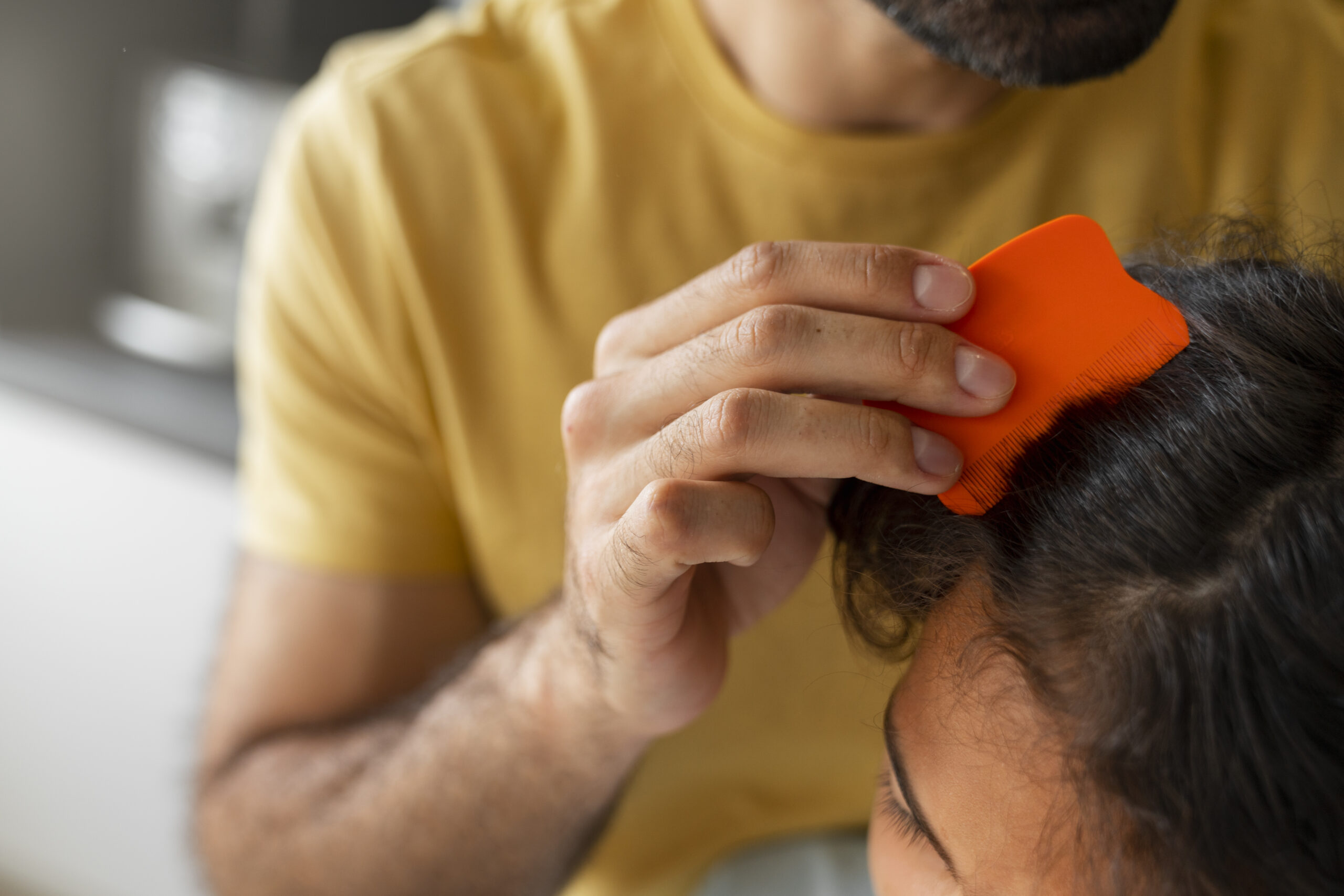
Kids bring home plenty of surprises from the classroom, from failed tests to mystery food in lunch boxes. But absolutely nothing strikes fear into a parent quite like the mention of an active bug outbreak at school. Once that warning email hits your inbox, the phantom itching immediately begins. Most parents wait until their child is furiously scratching their scalp before they finally take a close look. By that point, a mild, easily managed nuisance has likely escalated into a full-blown household infestation.
Being highly proactive is the only way to avoid spending your entire weekend washing bedsheets, bagging up stuffed animals, and vacuuming upholstery. If you do happen to miss the early warning signs and find a massive problem, heading straight to a professional lice treatment clinic is the absolute fastest way to handle the chaos and get your life back. But if you want to catch the issue before it requires an emergency intervention, you have to establish a strict, highly consistent screening schedule at home.
The Standard Weekly Audit
During normal periods of the school year, when no active outbreak warnings are floating around the neighborhood, you should conduct a thorough scalp check exactly once a week. Pick a specific day, like Sunday evening right after bath time, and make it a mandatory part of your weekly hygiene routine.
Checking wet hair is actually much easier than checking dry hair. The moisture slows down any adult bugs trying to hide and makes the sticky eggs far more visible against the hair shaft. Sitting down for ten to fifteen minutes every single weekend ensures that if your child did pick up a stray bug on a Wednesday afternoon, you catch the problem before that bug has the chance to lay dozens of eggs. A weekly audit keeps the population completely manageable. You are essentially looking for a needle in a haystack, but checking frequently guarantees the haystack never grows out of your control.
Ramping Up During High-Risk Windows
A weekly check is a fantastic baseline, but certain social events require you to temporarily increase your vigilance to every two or three days. You need to immediately step up your screening frequency whenever your child participates in activities that involve heavy head-to-head contact or shared sleeping spaces.
- Sleepovers and Slumber Parties: When kids pile onto the living room floor with shared blankets, pillows, and sleeping bags, transmission is practically guaranteed if one child is carrying the pest. Check your child the morning they return home, and check them again three days later to be safe.
- Summer Camps: Bunk beds and shared safety helmets for zip-lining or horseback riding create the absolute perfect environment for rapid spreading. Screen them the minute they step off the camp bus.
- The Infamous School Letter: If the school nurse sends home a physical notice that an active case was found in your child’s specific classroom or grade level, move to a daily visual inspection for at least ten to fourteen days.
- Theater and Community Sports: Sharing theatrical costumes, winter hats, or batting helmets heavily increases the physical risk factors.
Knowing Exactly What to Look For
Checking constantly is completely useless if you do not know how to identify the actual threat. Many frustrated parents mistakenly identify basic dry scalp, sand from the playground, or leftover shampoo residue as an active problem.
Dandruff flakes easily blow away with a gentle puff of air or brush off with a quick flick of your finger. A viable egg, known as a nit, is literally glued to the hair shaft with a specialized protein. It will not budge unless you physically pinch it tightly between your fingernails and drag it all the way down the strand of hair.
When you conduct your weekly checks, concentrate your search heavily on the warmest parts of the scalp. Section the hair carefully and look directly behind the ears, at the very nape of the neck, and right at the crown of the head. These bugs avoid bright light and cold air, so they naturally migrate toward the darkest, warmest hiding spots on the human body.
Equipping Your At-Home Screening Kit
You cannot effectively screen a moving, impatient child with just your bare hands and a dim hallway light. You need a dedicated screening kit ready to go in your bathroom drawer so the process is fast and painless for everyone involved.
- Adequate Lighting: Do not rely on your standard bathroom vanity lights. Grab a bright LED flashlight or use the heavy flashlight function on your smartphone. You need to illuminate the scalp directly to spot the tiny, teardrop-shaped eggs attached to the roots.
- A Proper Metal Comb: Cheap plastic combs bend easily and completely miss the microscopic eggs. Invest in a high-quality metal comb with incredibly tight teeth specifically designed for fine hair.
- Detangling Spray: Ripping a fine metal comb through dry, tangled hair will cause an immediate meltdown. Use a heavy detangling spray or a thick layer of regular hair conditioner to ensure the comb glides smoothly from the root all the way to the tip without pulling.
Taking Back Control
Managing a household full of kids means you are constantly playing defense against a dozen different germs and ailments. While these specific pests are highly frustrating and carry an entirely unfair social stigma, they are completely harmless from a medical standpoint. By establishing a firm weekly checking routine, heavily increasing your frequency after high-risk social events, and knowing exactly how to spot the difference between an egg and a piece of dry skin, you take total control of the narrative. You transform a potential household disaster into a minor, easily managed bump in the road, keeping your kids comfortable and your own stress levels perfectly in check.