
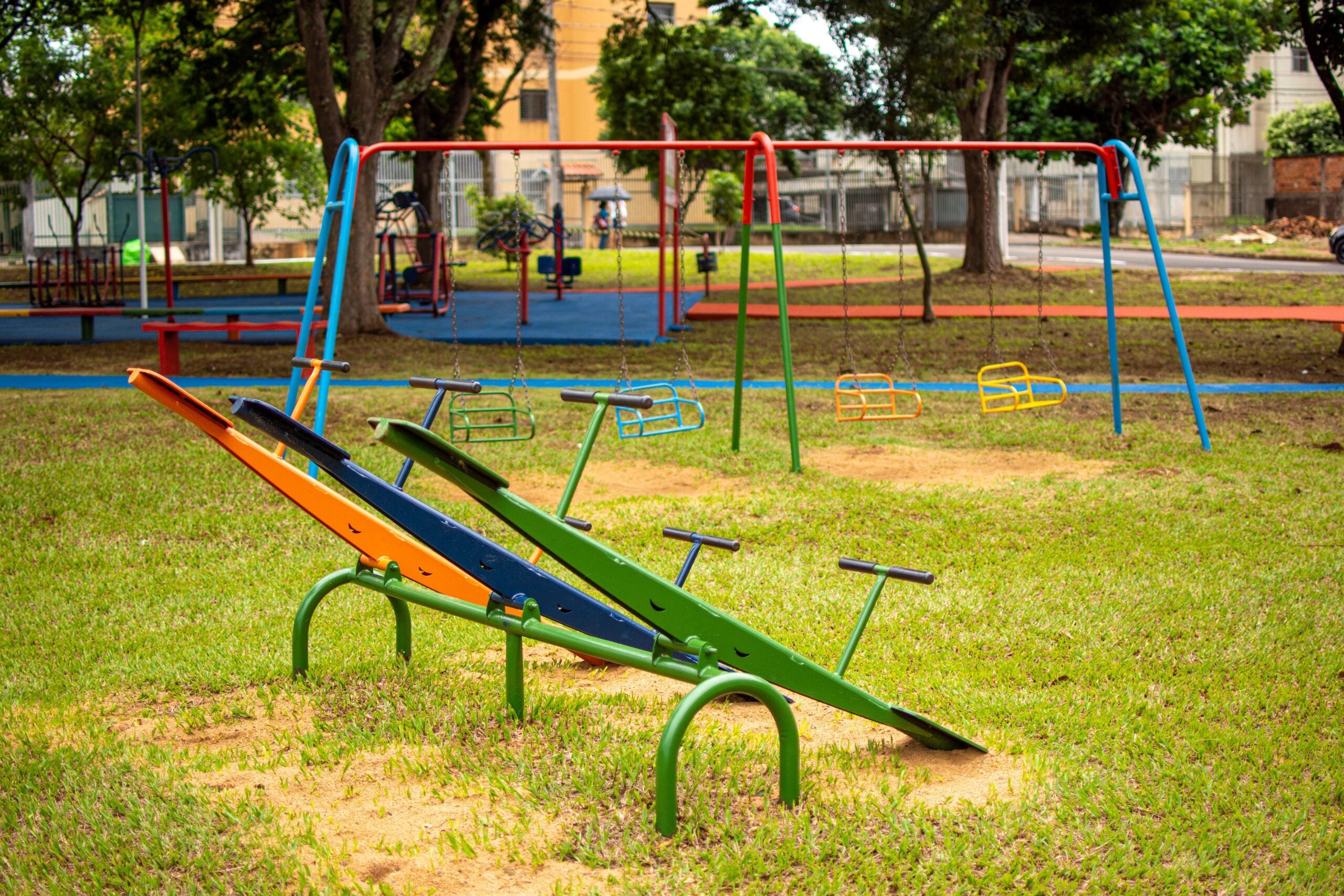
When you drive through a neighborhood, the houses and lawns only tell part of the story. The real character of an area is found in its shared spaces. A well-designed park serves as a natural gathering point, where neighbors meet instead of just waving from their driveways. Investing in high-quality playground equipment is one of the smartest ways to inject life into a residential area. While kids climb and swing, parents chat on the benches, turning strangers into friends. It builds a sense of belonging that you just can’t get from a neighborhood newsletter.
But who really needs a dedicated play space the most? While every town loves a good park, certain types of communities see a profound transformation when they add a central play area. Let’s look at the specific neighborhoods that benefit the most from these outdoor hubs.
New Subdivisions and Growing Developments
Moving into a brand-new subdivision often feels a bit isolating. The houses are fresh, the trees are still small, and nobody really knows each other yet. Without an established community culture, residents tend to pull into their garages and stay inside. Adding a playground to a new development changes that dynamic instantly. It gives families a reason to step out of their front doors and interact.
Kids are fantastic icebreakers. When they start playing together on the slides and swings, their parents naturally strike up conversations. A shared recreation space acts as the social glue that binds a new development together. It transforms a collection of newly built houses into a genuine, connected neighborhood where people look out for one another.
High-Density Urban Neighborhoods
City living offers incredible conveniences, but it usually comes at the cost of personal backyard space. Families living in apartments, condos, or townhomes don’t have the luxury of sending their kids out the back door to burn off energy. In these high-density areas, a local playground isn’t just a nice perk; it’s a vital necessity.
It provides a safe, designated zone where children can run, jump, and practice their motor skills freely. For parents juggling the demands of urban life, having a park just down the street is a lifesaver. It offers a daily escape from cramped indoor living and gives residents a much-needed breath of fresh air amidst the concrete. These parks often become the bustling heart of a city block, drawing people out of their high-rises and into the sunshine.
Historic and Revitalizing Districts
Older neighborhoods carry a lot of charm, featuring mature trees and beautiful architecture. However, as generations shift, these historic districts sometimes struggle to attract younger families. Installing a modern play area is a fantastic way to breathe new life into an aging community. It signals that the neighborhood is family-friendly and ready for its next chapter.
These spaces do a wonderful job of bridging generational gaps. You’ll see young parents pushing toddlers on the swings while long-time residents walk their dogs along the perimeter path, enjoying the sounds of laughter. A fresh, vibrant park shows that a community is actively investing in its future while still honoring its historic roots, making the area highly desirable for a new wave of homeowners.
Master-Planned and HOA Communities
Homeowners associations are always looking for ways to boost property values and keep residents happy. While pools and clubhouses are standard amenities, a well-planned playground adds a different kind of value. It caters specifically to the daily needs of families with young children. A community pool is only open for a few months out of the year, but a playground offers year-round entertainment.
When prospective buyers tour a neighborhood and see a beautifully maintained play area filled with happy families, it immediately elevates their perception of the area. It shows that the HOA cares about creating a well-rounded lifestyle for its residents. These private parks offer a sense of security, giving parents peace of mind knowing their kids are playing in a familiar, well-monitored environment close to home.
Rural and Spread-Out Towns
It might seem like children living in rural areas have plenty of room to roam, but wide-open spaces don’t always translate to social interaction. When houses are spread miles apart, kids don’t have the chance to just walk next door to find a playmate. A centralized community playground serves as a crucial meeting point for families living in the country.
It gives children a chance to socialize outside of school hours, helping them develop important social skills. For parents, it offers a central hub to connect with other adults they might not see otherwise. A rural playground turns a scattered group of properties into a tight-knit community, proving that even when people live far apart, they still crave a shared space to come together.
The Foundation of a Great Neighborhood
Building a community takes more than just paving roads and constructing houses. It requires intentional spaces where people can connect, relax, and watch their children grow. Whether it’s a bustling city block needing a patch of green or a brand-new subdivision trying to find its identity, a local park provides the perfect solution. It encourages outdoor play, fosters neighborhood friendships, and makes any area a better place to live. Investing in a dedicated play area is truly an investment in the people who call the neighborhood home.