
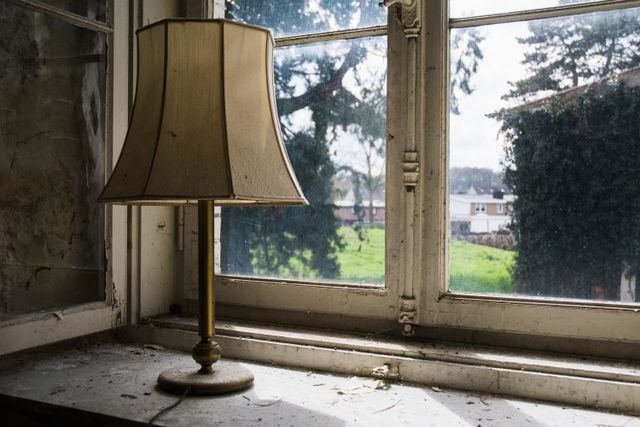
Dust can return quickly even after a home looks freshly cleaned. In many cases, the problem is not just surface dirt but poor filtration, air leaks, indoor dust sources, or HVAC airflow issues. Understanding where the dust is coming from can help you decide whether simple cleaning changes, filter upgrades, sealing gaps, or duct cleaning may be needed.
Why Is My House Always Dusty
A home can feel dusty even after regular cleaning because dust is constantly being created, moved, and pulled in from different sources. Dust is not only dirt from outside. It often includes skin flakes, textile fibers, pet dander, pollen, soil particles, insulation particles, soot, hair, and fine debris from everyday activity.
A house that stays dusty after regular cleaning usually has a dust pathway, not just a cleaning problem. Dust is either being produced inside the home, pulled in from hidden gaps, released from materials, or recirculated by the air system. Cleaning removes the dust that has already settled, but it does not always address why so much dust is circulating in the first place. This can also affect indoor air quality, especially when fine particles keep moving through the home.
If the HVAC filter is clogged, poorly fitted, or not rated well enough for fine particles, dust can keep moving through the air and settle again soon after surfaces are wiped. Leaky ducts, gaps around doors and windows, dirty return vents, low indoor humidity, old carpets, heavy curtains, pets, and clutter can all add to the problem.
One useful clue is where the dust shows up first. Dust that gathers around supply vents may point to air movement, duct leakage, or filter bypass. Dust that settles quickly on electronics can mean fine airborne particles are staying suspended. Dust along baseboards, window trim, and door edges may suggest air leaks. Dust that looks gray and lint-like often comes from fabrics, rugs, bedding, and clothing. Dust that feels gritty can be coming from outdoors, an attic, a crawl space, or construction residue.
A house that is always dusty usually needs more than surface cleaning. The key is finding whether the dust is coming from indoor materials, outdoor air leaks, poor filtration, HVAC airflow issues, or a combination of these. A better approach is to track where dust collects fastest, what it looks like, and what was running before it appeared, such as the HVAC system, ceiling fans, dryer, fireplace, or range hood. Those details can reveal whether the issue is housekeeping, filtration, air pressure, duct leakage, or hidden air entry.
Why House Always Dusty Returns
Dust comes back quickly when the home has an ongoing source of dust or a system that keeps recirculating it. Wiping shelves and vacuuming floors may make the home look clean for a short time, but dust in the air eventually settles back onto furniture, electronics, baseboards, and floors. If the house always dusty issue comes back soon after cleaning, the home may be producing or pulling in dust faster than it is being removed.
A common reason is poor filtration. If an HVAC filter is overloaded, too thin, damaged, or not sealed tightly in the filter slot, fine dust can pass around it. Another reason is air movement. When the HVAC system turns on, ceiling fans run, doors open, people walk across carpet, make a bed, open closet doors, use towels, or sit on upholstered furniture, settled dust can become airborne again.
Soft materials also make dust return faster. Carpets, rugs, upholstery, curtains, bedding, pet beds, fabric-covered furniture, closets, and towels trap dust and release fine particles whenever they are disturbed. Clutter adds more surfaces where dust can collect and makes thorough cleaning harder.
The speed of return matters. Dust that comes back within hours often points to airborne dust that was stirred up rather than fully removed. Dust that returns mainly after the HVAC runs may point to filtration, duct leakage, or air pressure issues. Dust that appears most in bedrooms can come from bedding, fabrics, skin cells, closets, and poor return airflow. Dust that builds up near exterior walls or windows may be connected to small leaks in the building shell.
When dust returns within a day or two, the issue is often not cleaning frequency. It is usually a sign that dust is being generated, pulled in, or circulated faster than it is being removed. The goal is not to clean more often forever. The goal is to slow the rate at which dust is introduced and recirculated. That usually means improving capture, reducing soft dust reservoirs, sealing hidden entry points, and making sure the HVAC system is not moving unfiltered air around the home. In many homes, solving a house always dusty concern means addressing several small sources at once.
Why House Gets Dusty Fast
A house can get dusty fast even with closed windows and doors because homes are not perfectly sealed. Closed windows and doors do not make a house sealed. Outdoor air can still enter through tiny gaps around window frames, door sweeps, trim, attic hatches, attic access points, recessed lights, plumbing penetrations, electrical outlets, vents, crawl spaces, basements, and ductwork. This is one reason a house gets dusty fast even when the windows stay shut.
If the home has negative air pressure, it can pull dusty air from attics, garages, crawl spaces, wall cavities, or outdoors. Exhaust fans, dryers, fireplaces, or leaky return ducts can create negative pressure. This is why some homes get dusty even when no one opens the windows. The dust may be entering through paths homeowners rarely see.
Attics can contain insulation fibers, old construction dust, pest debris, and loose particles. Crawl spaces and garages can contain soil, vehicle residue, and outdoor debris. Another overlooked cause is leaky return ductwork. If return ducts run through a dusty attic, basement, crawl space, or garage and have gaps or loose connections, they may pull contaminated air into the system. That dust can then be distributed through supply vents, making rooms dusty even when the home is closed up.
Closed windows also do not stop indoor dust sources. Carpet fibers, clothing, bedding, paper products, pet dander, skin flakes, cooking particles, candle soot, fireplace residue, deteriorating materials, paper, cardboard, upholstery, rugs, and curtains can all contribute to indoor dust. Bedding sheds fibers. Clothing releases lint. Pets shed dander. The HVAC system can then move those particles from room to room. A closed home can trap those particles unless filtration and ventilation are working well. If a house gets dusty fast, both indoor sources and hidden air leaks should be considered.
What Dusty Air In House Means
Dusty air in a house can be a sign that the home’s air is not being filtered, balanced, or exchanged properly. Dusty air often means particles are staying airborne longer than they should. That can happen when filtration is weak, airflow is unbalanced, or ventilation is not removing and replacing stale indoor air in a controlled way. Dusty air in house conditions can also make surfaces look dirty again shortly after cleaning.
The HVAC system plays a major role because it moves large amounts of air through the home. If the filter is dirty, missing, bent, damaged, low quality, the wrong size, too loose in the slot, or installed where air can slip around the edges, dust can pass through or around it. In that case, the HVAC system can run while only part of the air is actually being filtered. A high-quality filter also needs to match the system. A filter that is too restrictive for the equipment can reduce airflow and create other comfort or performance problems.
Airflow problems can also make dust worse. Weak return airflow may leave rooms with stagnant air and more settling dust. Strong or unbalanced airflow may stir up particles from floors, rugs, vents, and shelves. Rooms with weak returns may feel stuffy and collect dust faster. Closed interior doors can change pressure from room to room, causing air to be pulled from gaps instead of moving through planned pathways. Leaky ducts can pull dust from attics, crawl spaces, garages, or wall cavities and spread it through the house.
Ventilation matters too. A home that does not bring in and exhaust air properly can trap fine particles indoors. Cooking, candles, cleaning products, pets, fabrics, and everyday movement all add particles to the air. Without good filtration and controlled ventilation, those particles linger longer and settle on surfaces. A home with uncontrolled air leaks can bring in dusty replacement air from attics, garages, crawl spaces, or outdoors.
Dusty indoor air is often a clue that the home needs a closer look at filter quality, filter fit, duct condition, return airflow, exhaust fans, fresh-air intake, and overall HVAC performance. Cleaner air usually comes from controlled airflow, proper filtration, sealed leaks, and balanced ventilation working together. If dusty air in house problems continue, the issue may be connected to more than normal household dust.
Why House Still Dusty After Duct Cleaning
A house can still be dusty after duct cleaning because ducts are only one part of the dust problem. Cleaning ducts may remove debris inside the duct system, but it will not fix air leaks, poor filtration, indoor dust sources, or pressure problems that keep bringing dust back. If the house still dusty after duct cleaning, the source may be outside the ductwork itself.
Duct cleaning can remove debris inside the ductwork, but it does not fix the reasons dust entered or circulated in the first place. If the ducts were dirty because of leaks, poor filtration, construction debris, pest activity, or return-side contamination, the dust can come back after cleaning. A helpful way to look at it is this: duct cleaning addresses a storage area, not always the source.
If the HVAC filter is not capturing fine particles, dust can continue circulating after the ducts are cleaned. If the filter rack has gaps, dust can bypass the filter. If duct joints or return ducts are leaking, the system may pull dusty air from an attic, crawl space, garage, or basement. If return vents are undersized or blocked, airflow can become unbalanced and stir up dust. If a renovation left fine dust in wall cavities, vents, or attic spaces, the system may keep disturbing it. If the home has old carpet, heavy fabrics, pets, or lots of clutter, dust can keep building up from inside the living space.
Duct cleaning may help when ducts contain visible debris, construction dust, pest contamination, or heavy buildup. But a lasting solution often requires checking the whole air pathway: where air enters the system, how it is filtered, whether ducts are sealed, how air moves through rooms, and what materials inside the home are producing or holding dust.
Homeowners should be especially cautious when dust returns soon after duct cleaning. That is a sign to check duct sealing, filter fit, return airflow, supply and return balance, attic or crawl space connections, and indoor dust reservoirs. Clean ducts help most when the system is also sealed, filtered, and balanced. When a house still dusty after duct cleaning, the next step is usually to find what is feeding dust back into the air.
Soft Furnishings And House Gets Dusty Fast
Carpets, curtains, pets, clutter, and soft furnishings increase dust because they collect particles, store them, hide them, and release them back into the air during normal activity. These items act like dust reservoirs. They may look clean on the surface while holding fine particles deep in fibers, seams, folds, cushions, and padding. This is one reason a house gets dusty fast in rooms with many fabrics and soft surfaces.
Carpets and rugs trap dirt, pollen, pet dander, hair, textile fibers, and skin flakes. Walking across them pushes some of that dust back into the air. Curtains collect airborne particles, especially near windows, vents, and doors. Upholstered furniture, throw pillows, blankets, mattresses, fabric headboards, bedding, towels, and clothing hold dust in fabric and can shed fibers during normal use.
Pets add dander, hair, tracked-in soil, litter particles, pollen, outdoor allergens, and debris from outdoors. Even well-groomed pets contribute to airborne particles. Pet movement also stirs settled dust from floors, rugs, sofas, and bedding.
Clutter makes dust harder to control because it increases surface area. Books, décor, baskets, toys, paper stacks, open shelving, and stored items create small ledges and pockets where dust settles. The more objects a room has, the harder it is to remove dust fully instead of moving it around.
Reducing dust often means reducing dust storage. Use washable fabrics, closed storage, fewer items on open surfaces, regular pet grooming, and vacuuming with a HEPA-filter vacuum. In high-dust rooms, replacing heavy fabrics with easier-to-clean materials can reduce how quickly dust returns.
Leaks And Dusty Air In House
Leaks around windows, doors, ducts, vents, attic access points, duct joints, boots, and penetrations allow dusty air to enter from places that are not part of the clean living space. Small gaps can pull in outdoor soil, pollen, vehicle pollution, attic dust, insulation fibers, crawl space debris, garage particles, basement dust, wall cavity dust, and outdoor debris. These leaks can make dusty air in house problems worse even when the home looks closed up.
Air leaks become more noticeable when the home is under pressure. For example, exhaust fans, clothes dryers, fireplaces, range hoods, and HVAC return ducts can pull air out of the house. Replacement air then enters through the easiest gaps. Those openings are not always clean. They may connect to attics, garages, crawl spaces, wall cavities, basements, or dusty outdoor areas.
Leaky ductwork can be especially important. A supply duct leak can push conditioned air into an attic or crawl space, while a return duct leak can pull dusty air into the HVAC system before it reaches the filter. If a return duct has gaps in a dusty attic or crawl space, it can pull that air directly into the HVAC system. That air can then move through the system and settle throughout the home.
Some signs point toward leakage rather than normal household dust. Look for dark lines around carpet edges, dusty streaks near vents, dirt collecting around door frames, dust concentrated near exterior walls, or rooms that get dusty faster than others. These patterns often show where air is entering or moving.
Sealing gaps can reduce dust by controlling where air comes from. The goal is not to make the home airtight without ventilation. The goal is to stop uncontrolled dusty air from entering and support cleaner, filtered airflow. Sealing leaks can also improve comfort, reduce drafts, support HVAC efficiency, and help the filter capture more of the air that actually circulates through the home.
How To Reduce Dust In House
Reducing dust without cleaning every day starts with lowering the amount of dust entering, forming, collecting, releasing, and circulating in the home. A good first step is upgrading the HVAC filter to the highest MERV rating your system can safely handle and replacing it on schedule before it becomes overloaded. The filter should fit tightly with no gaps around the frame. If you want to reduce dust in house areas that collect dust quickly, filtration and filter fit are usually important places to start.
Vacuuming with a HEPA-filter vacuum helps capture fine particles instead of blowing them back into the room. Hard floors are usually easier to keep dust-free than carpet, but rugs can be managed by vacuuming both sides and washing small rugs when possible. Wash bedding, throw blankets, pet beds, and curtains regularly because fabrics hold a large amount of dust.
Control entry points by using sturdy doormats, removing shoes indoors, sealing obvious gaps around doors, windows, and attic hatches, and checking ductwork for leaks. Seal accessible duct joints and duct boots when needed. Keep return and supply vents clear, avoid blocking airflow with furniture, and pay attention to whether exhaust fans seem to pull dusty air in from gaps.
It also helps to reduce dust-holding clutter. Closed storage, washable fabrics, fewer fabric-heavy décor pieces, and regular pet grooming can make a noticeable difference. Clean the areas where pets sleep or spend the most time. These changes can reduce dust in house spaces where fabrics, pets, and clutter are the main sources.
Cleaning method matters too. Dry dusting often moves particles into the air. Damp microfiber cloths, slow vacuum passes, HEPA vacuum filtration, and cleaning from high surfaces down to floors help remove more dust instead of redistributing it.
For homes with persistent fine dust, a properly sized HEPA air purifier in bedrooms, living rooms, or other high-use areas can help reduce airborne particles between cleaning days. Combining air purifiers with better filters, leak sealing, and fabric control can help reduce dust in house conditions over time.
When Dusty Air In House Means HVAC Issues
Homeowners should look beyond cleaning when dust behaves like a system problem. Dust that returns within a day, appears around vents, forms dark streaks near registers, collects heavily near return grilles, seems to float in the air soon after the HVAC system turns on, or gets worse when the HVAC runs deserves a closer look. These signs suggest the issue may involve airflow, filtration, duct leakage, or indoor air quality rather than housekeeping.
The HVAC filter should be checked for fit, condition, replacement schedule, and compatibility with the system. A filter that gets dirty unusually fast may mean the home has a heavy dust load or return-side leakage. A filter that stays strangely clean while the house is dusty may mean air is bypassing it. A filter that does not fit properly, a missing filter cover, dirty coils, blocked returns, or pressure imbalance can all contribute to dust.
Ducts and airflow should be checked when some rooms are dustier than others, airflow feels weak or uneven, vents leave dark streaks on nearby walls or ceilings, or vents are located near dusty attics, crawl spaces, garages, or renovation areas. Return leaks, disconnected ducts, unsealed duct boots, blocked returns, leaky ducts, and pressure imbalances can all make dust worse. If the house still dusty after duct cleaning, these HVAC issues may explain why dust keeps coming back.
Indoor air quality should be considered when dust comes with musty, stale, smoky, or dusty odors, allergy symptoms, coughing, headaches, eye irritation, asthma flare-ups, visible particles in sunlight, or signs of moisture problems. In those cases, dust may be part of a larger issue involving humidity, ventilation, mold, combustion particles, pests, fine particulate matter, or hidden dust sources.
A professional HVAC or indoor air quality inspection can help identify whether the problem is caused by filtration, duct leaks, poor ventilation, pressure imbalance, excessive humidity, or hidden dust sources. A good inspection should not stop at asking whether the ducts are dirty. It should look at how air enters the home, how it moves through the HVAC system, how well it is filtered, and whether hidden spaces are contributing particles to the living area. The best results usually come from combining better cleaning habits with improved filtration, sealed air leaks, balanced airflow, and controlled ventilation. For a house still dusty after duct cleaning, this broader inspection can be more useful than cleaning the ducts again.