
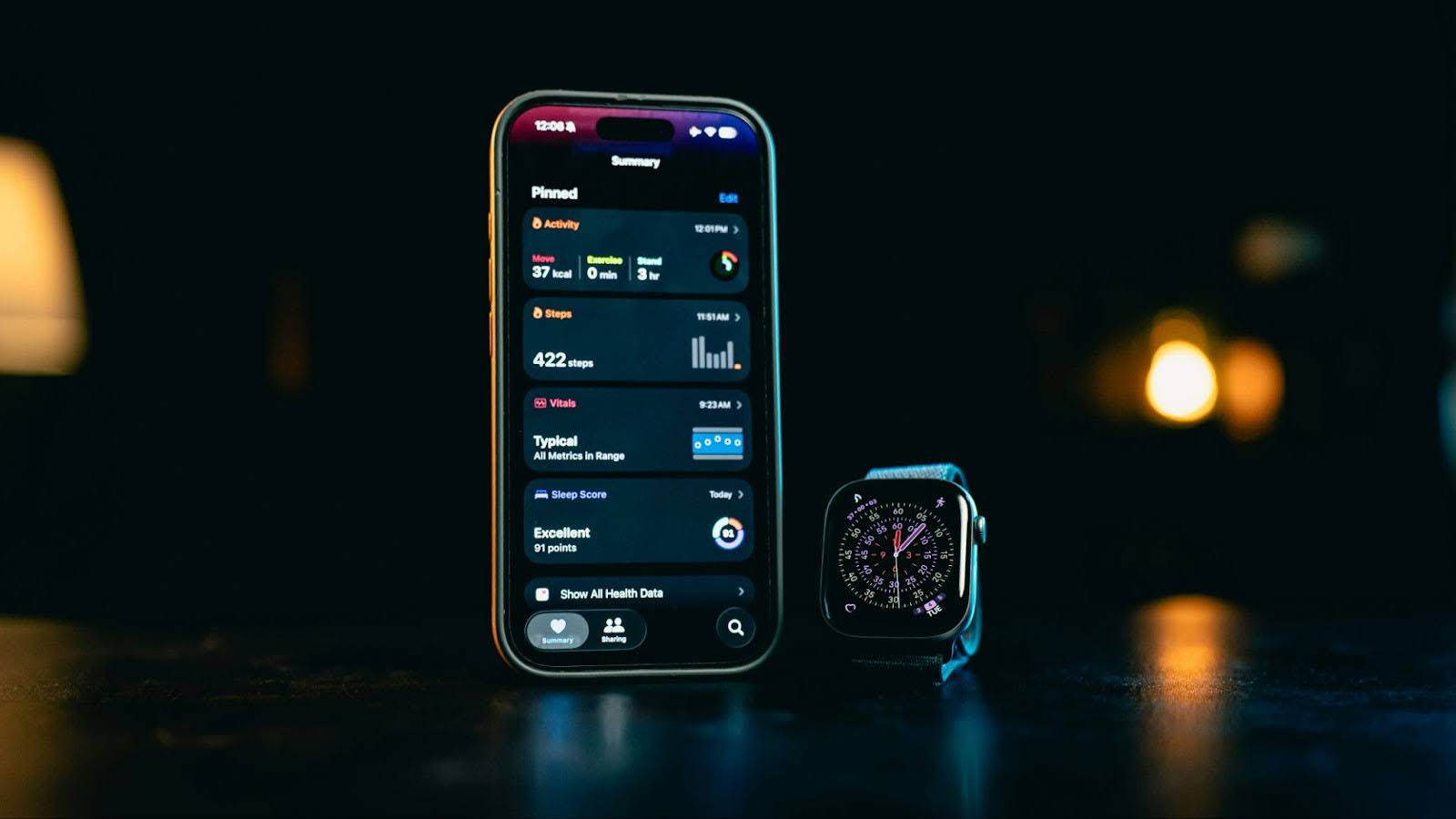
If you are an average American, it is very likely you’ve heard of wearable data or own a device yourself. But if this is a new concept for you, it is often defined as this: a smart technological tool that has the ability to collect real-time metrics to monitor personal health, daily activity, and environmental factors.
Wearable data is nothing out of the ordinary, but the concept has evolved drastically since its initial development in the early 17th century. It started as forms of pocket watches and roulette-predicting computers, to the eventual formation of pedometers and Bluetooth devices. Over time, wearable technology became the items like we know them today, such as smartwatches, health bands, and Oura rings.
In the world of healthcare, the idea of wearable technology changes the game tremendously. Before wearables were revolutionized, it was traditionally difficult to understand current health levels or notice early signs of risks. After they grew into a demand over the last several years, people finally had a way to track their health status and seek professional assistance if any further guidance was needed.
Today, wearable health devices are common for many, and healthcare professionals recommend them as a means to evaluate important data. According to a recent Market Analysis report, the global wearable technology market size was estimated at USD 92.90 billion in 2025 and is projected to reach USD 229.97 billion by 2033, growing at an increasing rate of 12.1% from 2026 to 2033. Those numbers are just the beginning proofpoint of these growing, yet prevalent tools.
Across America, rising cases of obesity, diabetes, and other chronic diseases are some reasons why wearable health tech has become so widely adopted. They not only help people see where they can improve health-wise, but they give specific intel into heartbeat, sleep quality, blood pressure, cholesterol levels, and calories burned. By understanding these metrics, consumers are able to adjust their bad habits and make lifestyle changes immediately.
As wearables enter health systems, such devices have also forced early-phase research to rethink how patient data is presented and analyzed in laboratories. Clinical sites often face the challenge of integrating participant information without compromising accuracy, validation, or regulatory standards, and the addition of wearables makes that idea particularly complex.
For AXIS Clinicals, a full-service Contract Research Organization (CRO), the team shares that wearables offer both a practical and forward-looking approach to scientific research. Yet at the same time, sponsors must be careful to fully integrate these tools into operations.
Before wearable data can be leveraged into clinical research, labs need to first start with pilot programs. Piloting allows sponsors to test device performance, data integrity, and workflow integration before scaling across multi-site studies.
In the long term, pilot programs also become a strategic advantage. When testing wearable devices, it ensures secure data transfer and establishes clear regulatory documentation. Instead of relying solely on quick patient snapshots, researchers can fully control where information flows, detect early safety signals, and potentially reduce any burdens through decentralized models.
One of the main challenges here, however, lies in the differences in devices. Not all wearable tech is equal, and not all metrics carry the same clinical weight. Sponsors must decide which endpoints are truly accurate, and which ones might require more insight. They must also work closely with CROs and external labs to ensure wearable-derived data is closely aligned with traditional laboratory results.
Despite these cautions, wearable health devices are in fact the next phase of improved clinical research. They make data so easily accessible, and with the evolution of AI, there is even more hope on the horizon for this kind of technology.
If you are someone who has already invested in wearable technology, this is the moment to keep up with the pace. And if you are a clinical sponsor also following in this trajectory, perhaps this is what’s going to advance modern medicine like no other.