
A roof is the ultimate “grudge purchase.” Nobody wakes up excited to spend money on it. It’s not flashy like a new kitchen or a backyard patio. But let’s be honest, it’s the single most important protector of your entire home. It takes the brunt of brutal sun, driving rain, high winds, and hail, 24/7.
When the time comes to replace it, the decision-making process can be paralyzing. It’s a major investment, and the options have grown far beyond just picking a new shingle color.
Do you go with the standard asphalt shingles everyone else has? What about those durable, stylish metal roofing systems for homes you’ve seen on new builds? Or is tile a better long-term fit?
Choosing the right roof is about balancing four key factors: your budget, your climate, your home’s style, and your long-term plans. Before you get lost in material samples, here’s how to think through the process like a pro.
1. The Big Question: How Long Are You Staying?
This is the most important question to ask yourself, as it dictates your entire budget. Be realistic. Are you in your “forever home,” or do you plan to sell in the next 5-7 years?
- If you’re selling soon: A standard (but high-quality) architectural asphalt shingle is often the most sensible financial choice. It has a great look, a solid 25-year lifespan, and will satisfy any home inspector and buyer.
- If this is your “forever home”: This is where you should think in terms of “lifetime value.” Investing in a roof with a 50+ year lifespan, like metal or tile, makes far more financial sense. The upfront cost is higher, but you’ll likely never have to think about it again.
2. The Budget: “Cheap” Can Be Deceptively Expensive
A roof is a classic “you get what you pay for” scenario. It’s tempting to go with the lowest bid, but that can be a catastrophic mistake.
A “cheap” roof often means corners were cut on installation, or the contractor used low-grade shingles that will start to curl and shed granules in just 10-12 years. You’ll end up paying to replace it twice in the time one high-quality roof would have lasted.
Think of it this way: a good roof is an investment, not an expense. A cheap roof that has to be replaced three times over 50 years is far more expensive than a metal roof that lasts the entire time.
3. The Great Material Debate: What Are Your Real Options?
This is where you match your budget and long-term goals to a physical product.
Asphalt Shingles: The Popular Standard
This is the most common roofing material in North America, and for good reason.
- Pros: Most affordable option upfront. Wide variety of colors and styles (from basic 3-tab to thicker “architectural” shingles). Easy to install and repair.
- Cons: Shortest lifespan (15-25 years). More vulnerable to wind uplift, cracking, and algae staining (those black streaks you see).
Metal Roofing: The Durable Powerhouse
This is the fastest-growing category in residential roofing. It includes standing-seam panels (that clean, modern look) and metal shingles that can mimic the look of slate or wood.
- Pros: Incredible longevity (50-70+ years). Extremely durable against high winds, hail, and fire. Very lightweight. Highly energy-efficient, as they reflect solar heat and can lower your cooling costs.
- Cons: Higher initial cost. Installation is a specialized skill (you must use a contractor who is an expert in metal).
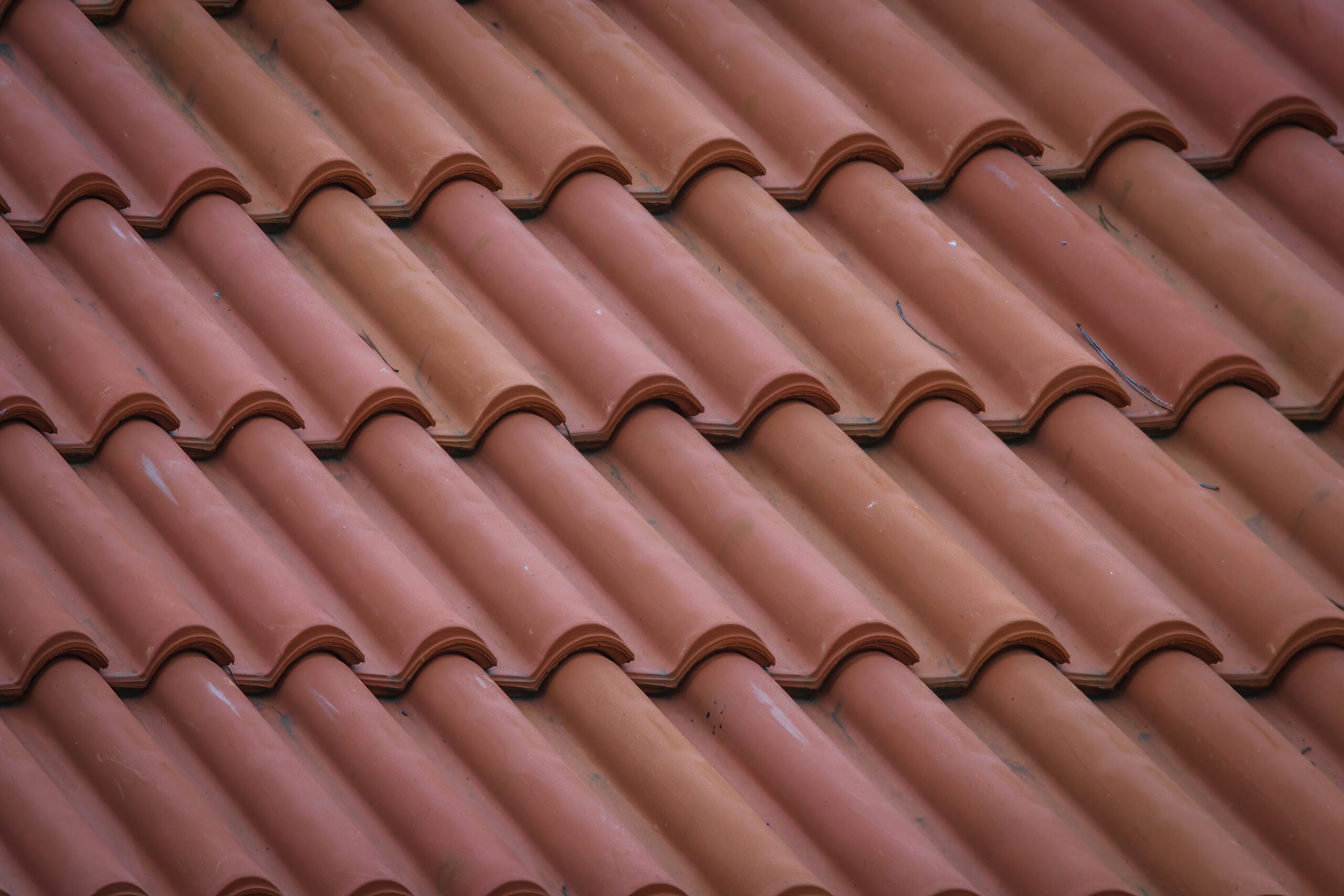
Tile (Clay or Concrete): The Style Specialist
When you think of a Spanish or Mediterranean home, you’re picturing a tile roof.
- Pros: The longest lifespan on the market (50-100+ years). A beautiful, distinct aesthetic. Completely fireproof.
- Cons: It is extremely heavy. Your home’s structure must be inspected and possibly reinforced to even support the weight. The tiles can be brittle and crack if walked on improperly, and the initial cost is very high.
4. Your Climate Isn’t a Minor Detail
Your roof’s main job is to handle your local weather.
- For Hot, Sunny Climates: You should be focused on energy efficiency. Lighter-colored “cool roofs” or metal roofing are excellent, as they reflect solar radiation and keep your attic from becoming an oven. The U.S. Department of Energy has extensive research showing how cool roofs can significantly reduce your air conditioning costs.
- For High-Wind or Hail-Prone Areas: Durability is key. This is where metal truly shines. Many metal roofing systems have a Class 4 impact rating (the highest available) and can withstand winds of 140 mph or more.
5. Don’t Forget What’s Underneath
The shingles are just the “skin” of the roof. The total system includes what’s underneath, and it’s just as important.
- Underlayment: This is the water-resistant barrier between the shingles and your wood roof deck. Never skimp on it. A high-quality synthetic underlayment is a critical last line of defense.
- Ventilation: A roof must be able to breathe. A poorly ventilated attic will trap hot, moist air, which literally bakes your shingles from the inside out and can lead to mold. A good roofer will check your soffit and ridge vents as part of the job.
6. The Most Important Choice: Your Contractor
Here’s the bottom line: the best, most expensive roofing material in the world will fail if it’s installed incorrectly.
Your choice of contractor is more important than your choice of shingles. You need a licensed, insured, and certified professional who will pull the right permits and stand behind their work with a solid workmanship warranty. Resources like This Old House offer great, unbiased tips on what to look for.
Ultimately, choosing a new roof is a long-term decision. Do your research, consider the lifetime value, and find a professional you can trust to protect your home for decades to come.

