
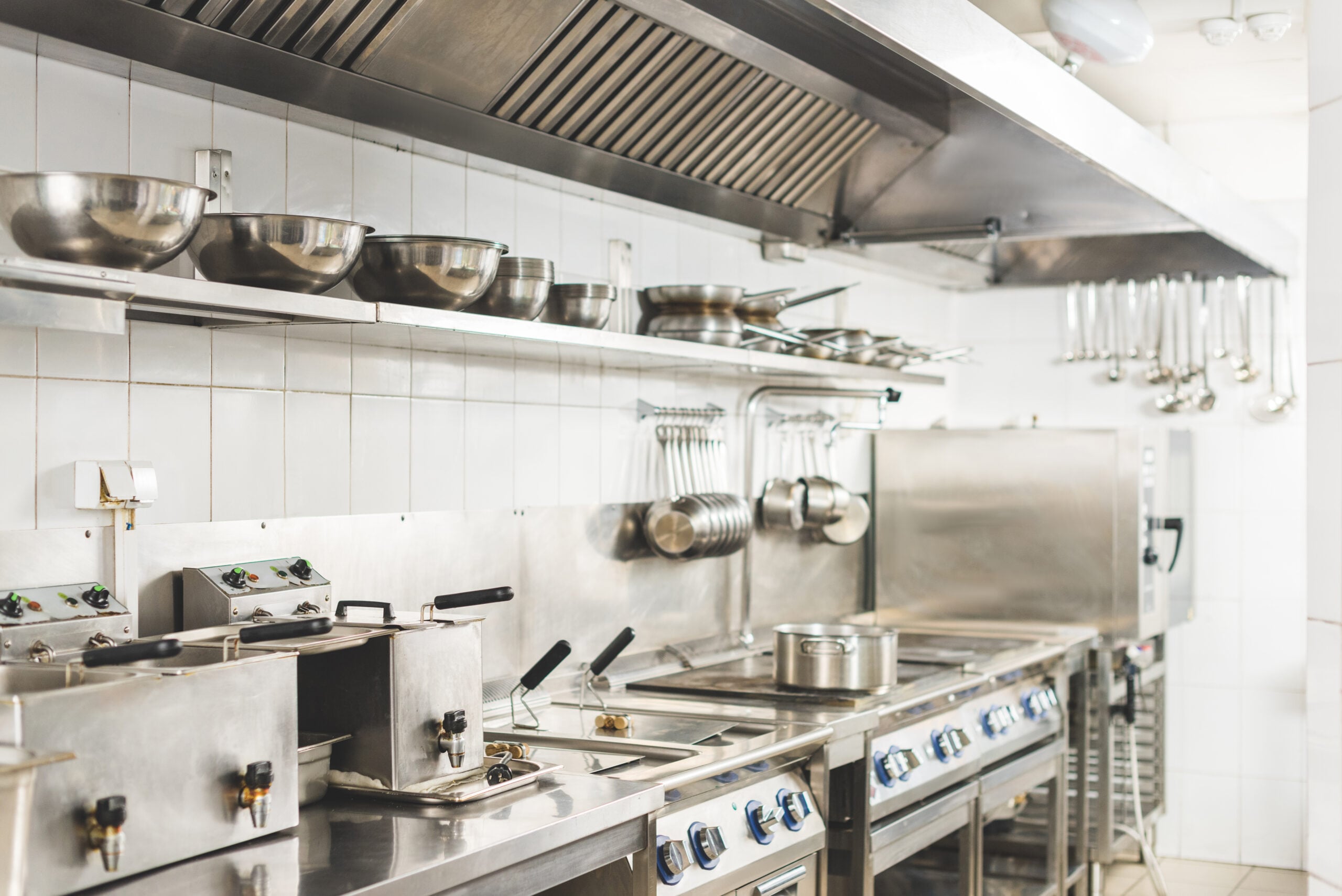
A kitchen fire can stop a restaurant dead in its tracks. The damage goes far beyond char and ash — smoke infiltrates every surface, water from suppression systems soaks into walls and flooring, and structural integrity may be compromised. The road back feels overwhelming. But with the right approach to restaurant restoration, getting your doors back open is absolutely achievable.
Here’s what you need to know.
Assess Before You Act
Before any cleanup begins, safety comes first. Do not re-enter the building until the fire marshal or a licensed inspector has cleared it. Even after flames are extinguished, hazards linger — unstable ceilings, compromised gas lines, and electrical systems that may still pose risk.
Once clearance is given, document everything. Photograph and video every room, every damaged surface, and every piece of equipment. This documentation is critical for insurance claims and will guide the restoration scope. Call your insurance provider immediately and start the claims process while the damage is fresh.
Understand the Full Scope of Damage
Fire damage in a commercial kitchen is layered. You’re not just dealing with what burned — you’re dealing with everything the fire touched indirectly.
- Smoke and soot penetrate walls, ceilings, HVAC systems, and soft materials. Odor lingers long after visible residue is cleaned.
- Water damage from sprinkler systems and firefighting efforts soaks into subfloors, drywall, and insulation, creating a secondary risk of mold.
- Heat damage warps metal, compromises refrigeration units, and degrades electrical wiring.
- Structural damage may affect load-bearing elements depending on fire intensity and duration.
A professional restaurant restoration team will assess all of these layers — not just the surface-level burn marks.
The Restoration Process: Step by Step
1. Stabilization and Securing the Site
Restoration professionals begin by boarding up windows, tarping openings, and addressing immediate structural concerns to prevent further damage.
2. Water Extraction and Drying
Industrial drying equipment removes standing water and moisture from building materials before mold has a chance to take hold.
3. Smoke and Soot Removal
This is one of the most intensive parts of commercial kitchen fire restoration. Soot clings to every surface and requires specialized cleaning agents and techniques to fully remove. HVAC systems must be cleaned or replaced to eliminate smoke odor throughout the building.
4. Deep Cleaning and Sanitization
Since this is a food-service environment, sanitization standards are non-negotiable. Surfaces, equipment, and ventilation must meet health department requirements before reopening.
5. Structural Repairs and Rebuilding
Damaged drywall, flooring, cabinetry, and structural elements are repaired or replaced. This phase may also include equipment upgrades if items are beyond repair.
6. Inspection and Permits
Before reopening, local health and building departments must sign off. Your restoration partner should help coordinate required inspections.
Choosing the Right Restoration Partner
Not every contractor is equipped for commercial kitchen fire restoration. Look for a company with specific experience in restaurant restoration, not just residential fire damage. They should understand commercial-grade equipment, health code compliance, and the urgency of getting your business operational again.
Ask about their timeline commitments and whether they coordinate directly with insurance adjusters — this can significantly speed up the process.
Getting Back to Business
A fire is devastating, but it doesn’t have to be the end. With a thorough restoration plan, the right professionals, and a proactive mindset, your kitchen can come back stronger than before. Stay in close contact with your team, your insurer, and local authorities — and keep your staff informed throughout the process.
The path back is clear. Take it one step at a time.