
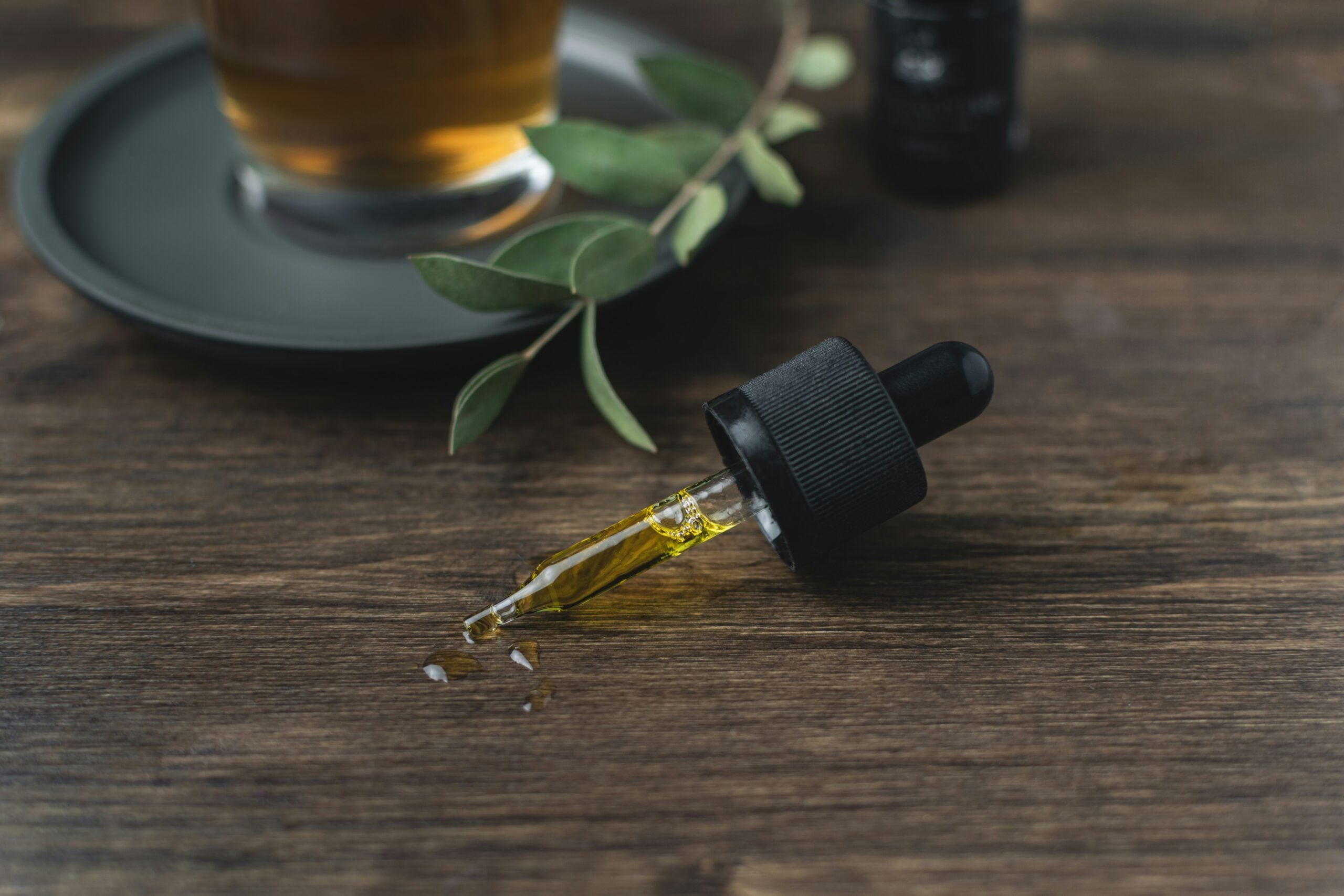
Conversations around wellness have shifted a lot in recent years. Instead of just looking at standard over-the-counter options, people are exploring plant-based alternatives to manage their daily routines. One of the most talked-about topics right now is how cannabis interacts with the human body. Whether you are looking into medical cannabis for a specific issue or just curious about the wellness space, it pays to know the facts.
The relationship between this plant and our bodies isn’t a one-size-fits-all scenario. Because of the different ways people metabolize compounds, the experience can vary wildly from person to person. Some react well to medical cannabis, and others not so much.
The Body’s Built-In System
To understand the effects, we first have to look at the endocannabinoid system, or ECS. You can think of the ECS as a massive network of receptors spread throughout your brain, organs, connective tissues, and immune cells. Its primary job is to keep your body in a state of balance. When you consume cannabis, the active compounds—like THC and CBD—bind to or interact with these receptors. This interaction is the main reason why the plant can influence everything from your appetite to how you perceive pain. It acts almost like a set of keys fitting into specific locks inside your body, triggering various physical and mental responses. Because everyone’s ECS is wired a little differently, your reaction to a specific strain or product might be completely different from your friend’s experience.
Physical Health Considerations
When looking at physical effects, relief from discomfort is often the main reason people head to a dispensary. Many users report noticeable changes in chronic pain, muscle spasms, and general inflammation. Products that lean heavily on CBD are particularly popular for soothing sore joints without the intoxicating effects associated with THC.
However, the method of consumption plays a huge role in your physical health. While edibles, tinctures, and topicals are gentle on the lungs, smoking anything carries inherent risks. Combusting plant material creates tar and other byproducts that can irritate your respiratory system over time. Choosing the right delivery method is just as important as choosing the right strain. Vaping dry herb or sticking to edibles can be a smarter route, especially if you have a history of asthma or just want to prioritize your respiratory health.
Mental Health and Mood
The connection between cannabis and mental well-being is heavily debated, and for good reason. For plenty of people, an end-of-day gummy or a few puffs from a vaporizer acts as a fast track to relaxation. It can quiet a racing mind, make it easier to drift off to sleep, and help shake off the stress of a long workweek.
But there is a flip side. High doses of THC, particularly in people who are sensitive to it, can actually trigger feelings of panic or paranoia. It is a delicate balance. Finding the right dosage—often referred to as your minimum effective dose—is the secret to keeping the experience positive. Understanding how different cannabinoid profiles impact brain chemistry can help you avoid unwanted side effects. If you are prone to anxiety, leaning toward products with a higher CBD-to-THC ratio usually provides a much smoother, more grounded experience without the overwhelming psychoactive peak.
Daily Routines, Sleep, and Digestion
Beyond pain and mood, digestion and sleep are heavily influenced by the ECS. We’ve all heard the jokes about getting the munchies, but there is real science behind why that happens. THC stimulates the olfactory bulb in the brain, making food smell and taste significantly better, while also signaling to your stomach that it is time to eat. For someone undergoing intensive medical treatments that kill their appetite, this effect is a game-changer. It helps them maintain a healthy weight and get the nutrients they need.
When it comes to sleep, many turn to heavier, relaxing strains to combat insomnia. While it can help you fall asleep faster, heavy use before bed can sometimes interfere with REM sleep, which is the restorative phase of your sleep cycle. Finding a balance is key, so you wake up feeling refreshed rather than groggy.
The Path Forward
Moving forward with a new wellness routine requires a bit of patience and a lot of self-awareness. If you are just starting out, the best approach is always to start low and go slow. Keep a journal of what products you try, the dosage, and how you feel a few hours later. Since everybody processes things at their own speed, taking the time to map out your unique reactions will help you find the exact routine that supports your health goals.