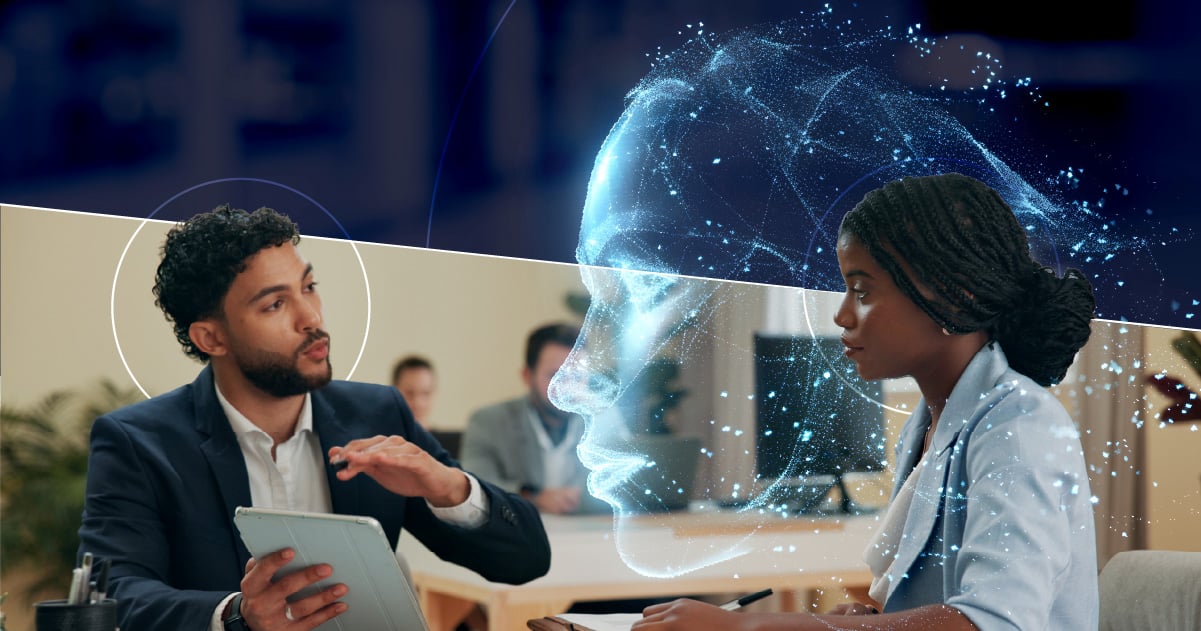
Today, companies need to understand the shift in employees’ workplace expectations in order to attract, engage, and keep the top talent in a world that is evolving more than ever before. Artificial intelligence (AI) in particular has emerged as a key driver reshaping priorities, roles, and the overall workplace experience.
For job seekers, AI has become a useful practical tool to help with navigating the competitive hiring process from resume writing to interviewing. AI is also making more roles accessible to the disabled population by taking over more complex tasks while simplifying others. This can further increase job listings by millions within the next 10 years.
Within organizations, AI is affecting how work is done in ways that align with shifting employee priorities through recruitment software. By reducing time spent on repetitive or mundane tasks, AI allows employees to take on more complex, rewarding tasks that utilize their best skills. As a result, burnout rates decline, productivity rises, and employees are able to meet their top job expectations such as improved work-life balance, deeper professional expertise, and more meaningful work.
Businesses that use AI to create efficient, people-focused workplaces will have the upper hand in attracting the best, loyal talent while remaining attractive in the changing job market.