
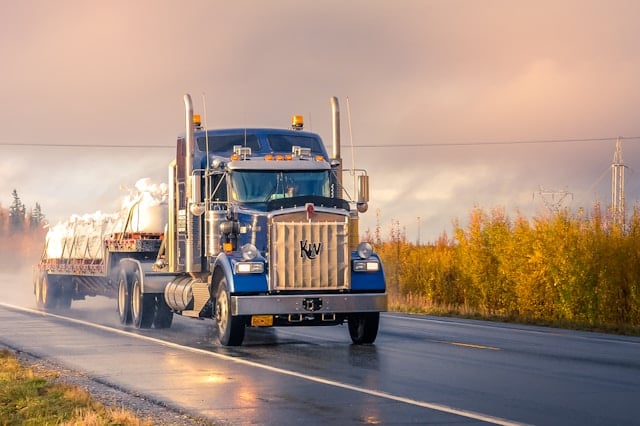
Large commercial trucks—often referred to as big rigs, tractor-trailers, or 18-wheelers—are essential to the nation’s economy. They deliver goods to grocery stores, supply raw materials to manufacturers, and help keep Charleston’s bustling port operations running smoothly. However, when a collision involving one of these massive vehicles occurs, the results can be devastating. Victims may face catastrophic injuries, overwhelming medical bills, and months or even years of rehabilitation.
Knowing who to turn to after a big rig crash in Charleston can make a significant difference in protecting your rights and securing fair compensation. This guide will explain the immediate steps to take after a collision, the role of legal professionals, and the resources available to help you navigate the recovery process.
Understanding the Scale of Big Rig Accidents
The Physics of Impact
Big rigs can weigh up to 80,000 pounds when fully loaded. Compared to the average passenger vehicle’s weight of around 4,000 pounds, the disparity in size and mass means that collisions often result in severe damage. Even at relatively low speeds, the force of impact from a truck can cause life-altering injuries.
Common Causes in Charleston
Truck accidents in Charleston can stem from a variety of factors:
- Driver fatigue due to long hours on the road.
- Improper loading that causes cargo to shift.
- Mechanical failures from poor maintenance.
- Distracted or impaired driving by the truck operator.
- Hazardous weather that reduces traction and visibility.
While some of these causes may be unintentional, they often involve negligence—something the law takes seriously when determining liability.
Immediate Steps After a Big Rig Collision
Ensure Safety and Seek Medical Help
Your first priority should be your safety and that of any passengers. Move to a safe location if possible, call 911, and request medical assistance. Even if you feel fine, some injuries, such as concussions or internal bleeding, may not be immediately apparent.
Gather Crucial Evidence
If you are physically able, collect the following at the scene:
- Photos of all vehicles involved and visible damage.
- Images of skid marks, debris, or road hazards.
- Contact information for witnesses.
- The truck driver’s license, insurance, and employer details.
This documentation can be critical when filing an insurance claim or pursuing legal action.
Report the Accident
Filing an official police report ensures there’s a record of the incident. In Charleston, officers will often note contributing factors, such as weather conditions or driver behavior, which can be valuable for your case.
The Importance of Legal Guidance
Why Truck Accident Cases Are Different
Truck accident cases differ from typical car accidents in several key ways:
- Multiple parties may be liable, including the driver, trucking company, cargo loaders, or vehicle manufacturers.
- Federal and state regulations govern trucking operations, such as mandatory rest periods and vehicle inspection protocols.
- Higher insurance policy limits are common, which means more at stake for insurers—and more resistance to paying out claims.
Because of these complexities, having an attorney who understands both the legal and regulatory framework is essential.
Selecting the Right Legal Representation
When searching for a lawyer, look for:
- Experience in truck accident litigation, not just general personal injury.
- Knowledge of Charleston-specific regulations and court procedures.
- A track record of negotiating fair settlements and winning in trial.
Those qualities are particularly important because trucking companies often deploy aggressive defense strategies to limit their liability.
When to Contact an Attorney
Ideally, you should reach out to an attorney as soon as possible after the accident. The sooner you have legal guidance, the better your chances of preserving evidence, avoiding costly mistakes, and protecting your rights.
Working with trusted truck accident lawyers in Charleston can ensure that you have a knowledgeable advocate in your corner—someone who understands how to deal with trucking companies, insurers, and opposing counsel effectively.
Investigating a Big Rig Accident
Gathering Evidence Beyond the Scene
A thorough investigation may involve:
- Reviewing the truck’s black box data to determine speed, braking patterns, and hours driven.
- Analyzing maintenance logs for missed inspections or repairs.
- Examining cargo records to check for overloading or improper securing.
- Interviewing company employees about training procedures and schedules.
Expert Witnesses
Truck accident cases often rely on expert testimony. Accident reconstruction specialists, medical experts, and vocational rehabilitation professionals can provide insights into both the cause of the crash and its long-term impact on the victim’s life.
Understanding Your Rights and Potential Compensation
Types of Damages
Victims of big rig accidents may be entitled to several categories of compensation:
- Economic damages: medical bills, lost wages, and property damage.
- Non-economic damages: pain and suffering, loss of enjoyment of life, and emotional distress.
- Punitive damages: in cases of extreme negligence or reckless conduct.
Wrongful Death Claims
If a loved one is killed in a truck accident, surviving family members may be able to pursue a wrongful death lawsuit. This can cover funeral expenses, loss of income, and loss of companionship.
Insurance Company Tactics
Delaying or Denying Claims
Insurers often attempt to minimize payouts through:
- Claiming the victim was partially or fully at fault.
- Disputing the severity of injuries.
- Offering lowball settlements before the full extent of damages is known.
Protecting Yourself
Avoid giving recorded statements to insurers without consulting an attorney. Anything you say can be used to weaken your claim. A lawyer can communicate on your behalf to ensure your interests are represented.
Legal Resources for Victims
Charleston accident victims have several options for learning about their rights and legal processes:
- The FindLaw truck accident resource center offers an overview of laws, safety regulations, and steps to take after a crash.
- Profiles on reputable legal directories, such as the Shelly Leeke Law Firm Super Lawyers listing, provide insight into a firm’s credentials, awards, and areas of focus.
These resources can help you make informed decisions about representation and next steps.
Common Challenges in Charleston Truck Accident Cases
Jurisdiction and Venue
Because big rigs often travel across state lines, determining the correct jurisdiction for a lawsuit can be tricky. Your attorney will help decide whether to file in state or federal court, depending on where the crash occurred and where the parties are based.
Comparative Negligence in South Carolina
South Carolina follows a modified comparative negligence rule, meaning you can still recover damages if you are less than 51% at fault. However, your compensation will be reduced by your percentage of fault. This makes it especially important to build a strong case proving the truck driver or company was primarily responsible.
Statute of Limitations
In South Carolina, you generally have three years from the date of the accident to file a personal injury lawsuit. Missing this deadline can forfeit your right to seek compensation.
Emotional and Physical Recovery
The Hidden Costs of Trauma
Beyond the visible injuries, many truck accident victims experience psychological impacts such as post-traumatic stress disorder (PTSD), anxiety, and depression. These conditions can be just as debilitating as physical injuries and should be included in your claim for damages.
Rehabilitation and Support
Ongoing physical therapy, occupational therapy, and counseling are often necessary after a big rig crash. Community support groups and victim advocacy organizations can also provide emotional relief and practical assistance.
Conclusion
After a big rig crash in Charleston, the path forward can feel overwhelming. The physical injuries, emotional trauma, and financial burdens can leave victims unsure of their next steps. By seeking immediate medical care, documenting evidence, understanding your rights, and working with experienced legal professionals, you can protect your future and pursue the compensation you deserve.
While no legal action can undo the accident, the right support can make the recovery process more manageable and help you regain stability after such a life-altering event. Charleston’s roadways may always see commercial traffic, but knowing who to turn to when tragedy strikes ensures you’re never navigating the aftermath alone.