
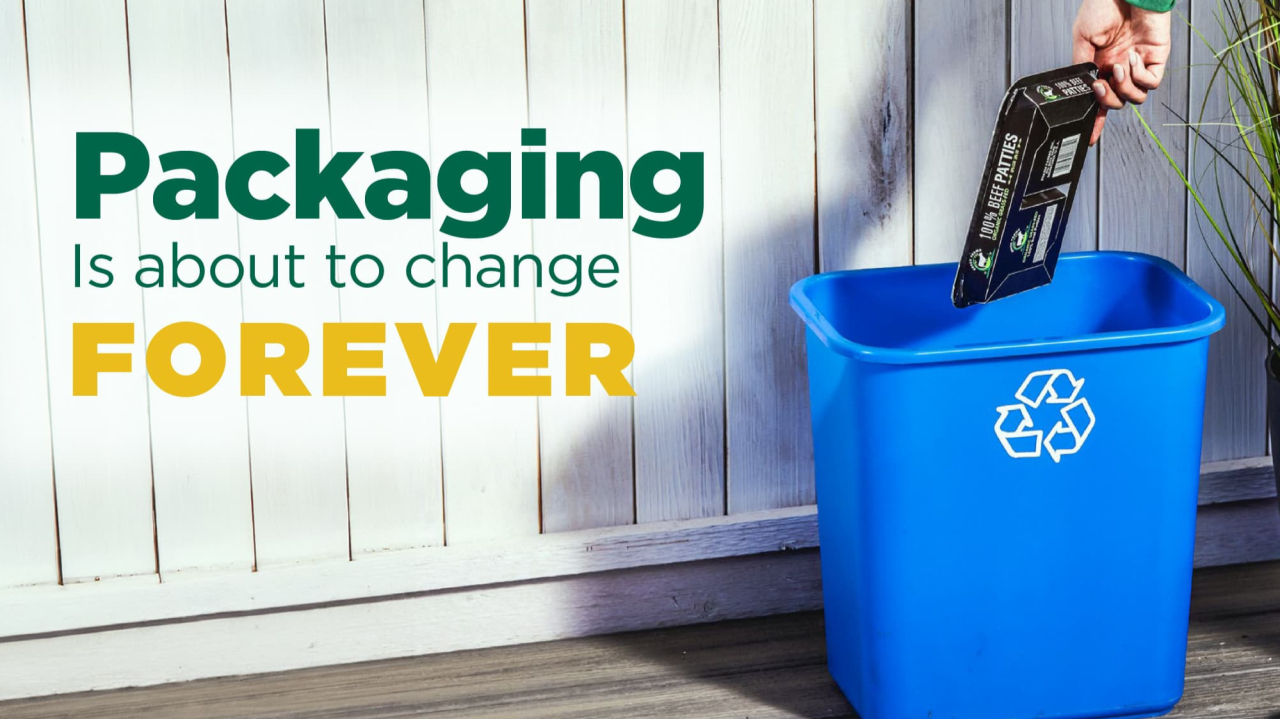
Packaging in the European Union is set to undergo significant changes as the region moves towards a more sustainable future. Recent statistics reveal that paperboard packaging is outperforming plastic, with an impressive 87% of paperboard being recycled in the EU, compared to only 47% for plastic (Source: Eurostat 2023). This disparity highlights the urgent need for regulatory action, which the EU is addressing through stricter regulations on plastic packaging over the next decade.
The EU has set a goal to reduce packaging waste by 10% by the year 2035. This ambitious target is part of a broader initiative to improve sustainability and environmental responsibility within the packaging industry. The fibers within paperboard allow it to be recycled up to 10 times or more, making it a more sustainable option compared to plastic. This not only conserves resources but also significantly lowers the carbon footprint associated with production and disposal.
The process of recycling paperboard begins with raw materials that are transported to paperboard mills for processing. After the packaging is created, it is distributed to retailers and consumers. Once the consumer has finished using the packaging, they can recycle it, allowing the cycle to start anew. This aligns with the principles of Reuse, Reduce, Recycle, which are becoming increasingly vital in our efforts to combat environmental degradation.
In 2022, the European Commission proposed the Packaging and Packaging Waste Regulation (PPWR), which aims to replace the previous Packaging Directive (PPWD) from 1994. The PPWR is designed to prevent and reduce packaging waste across all types of materials while improving the recyclability and recycling rates of packaging. The regulation is set to take effect in 2025, marking a pivotal moment for the packaging industry and setting a precedent for future legislation.
Under the new regulations, all packaging must be designed with recycling in mind. This means that manufacturers will need to adhere to stricter criteria to ensure their products can be effectively recycled. By 2040, the EU aims for most plastic packaging and components to meet increased recycled content targets, further promoting the use of sustainable materials. This shift is expected to drive innovation in the design and production of packaging, pushing companies to rethink their materials and processes.
The shift towards stricter regulations is not just about compliance; it reflects a growing recognition of the environmental impact of packaging waste. The EU’s commitment to sustainability is evident in its comprehensive approach to packaging regulation, which encompasses a variety of materials and encourages innovation in packaging design. This holistic view is essential for addressing the complex challenges posed by waste management and environmental conservation.
var infolinks_wsid = 36;
As the EU moves forward with these regulations, it is essential for businesses to adapt to the changing landscape. Companies involved in packaging production will need to invest in new technologies and processes that align with the PPWR’s goals. This transition may require collaboration across industries to develop solutions that are both economically viable and environmentally friendly. Partnerships between manufacturers, retailers, and recycling facilities will be crucial in creating a more sustainable packaging ecosystem.
Furthermore, consumer awareness and behavior will play a significant role in the success of these regulations. As consumers become more educated about the environmental impact of their choices, they are likely to demand more sustainable packaging options. This shift in consumer preference can drive companies to prioritize sustainability in their packaging strategies, ultimately benefiting both the environment and their bottom line.
In conclusion, the EU’s upcoming regulations on plastic packaging signify a major step towards a more sustainable future. With a clear focus on reducing waste and improving recyclability, the Packaging and Packaging Waste Regulation aims to reshape the packaging landscape in the European Union. As the deadline approaches, stakeholders across the industry must prepare for these changes and embrace the opportunity to innovate and lead in sustainable packaging practices. The journey towards sustainability is not just a regulatory obligation; it is an opportunity for businesses to differentiate themselves in a competitive market while contributing positively to the planet.